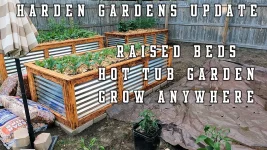
Just because a hot tub is broken beyond repair doesn’t mean it can’t serve another purpose. I took one that was headed for the junk pile and turned it into a productive, space-saving garden bed. All it took was a thorough cleaning, some wood scraps as a base (hugelkultur style), plenty of compost, and patience. Now, I’m thinning carrots and snipping dill where the jets used to bubble! This repurposing trick aligns with methods our grandparents swore by—using what you have on hand, rather than tossing it away and buying something new.
I also experimented with growing potatoes in buckets, a strategy inspired by old homesteading manuals and modern urban gardening techniques. During the World Wars, “Victory Gardens” were popular in city backyards and even rooftops—everything was grown in any available container, from wooden boxes to metal tubs. Today, we can follow the same principle: any container with drainage can become a potato or strawberry patch, whether it’s a 5-gallon bucket or half a food-grade barrel.
Over time, I’ve learned that mixing different soil mediums can improve drainage and nutrients. Adding organic matter—like my hydroponic clay pellets, compost, or worm castings—helps create that fluffy soil texture that roots love. Historically, farmers practiced crop rotation and composting to maintain soil fertility. Modern science supports those age-old methods, showing how essential natural soil amendments are for a healthy yield.
To keep rabbits from feasting on my sunflowers (and just about anything else!), I’ve looked into old fencing techniques. One trick is to surround particularly vulnerable plants with protective wire or sprinkle strong-smelling herbs like garlic or mint around them to deter nibbling critters. This is nothing new: medieval walled gardens employed similar strategies to keep out livestock and wildlife while intensively cultivating precious produce.
For vertical growers, like melons or cucumbers, trellising has roots in ancient civilizations. The Hanging Gardens of Babylon (one of the Seven Wonders of the Ancient World) were essentially an elaborate series of terraces where plants grew vertically. This method remains relevant because it saves space, improves air circulation, and makes harvesting easier. You can use simple cattle panels, wooden frames, or even upcycled metal grids.
Raised beds, meanwhile, are a time-tested concept that helps with drainage, prevents soil compaction, and allows for better control of soil quality—especially when your native soil is heavy clay or sandy. In colonial America, raised “kitchen gardens” were common for precisely those reasons. If you don’t have the materials or time to build a wooden bed, consider using logs or stones as borders, copying the centuries-old practice of garden edging.
And if you’re too busy to start everything from seed, there’s no shame in picking up a few healthy transplants from local nurseries or seed exchanges. Historically, neighbors would share starts to ensure diverse crops and community resilience. That communal spirit still exists: many regions have Master Gardener programs and seed swaps that foster an exchange of knowledge—and often plenty of free or cheap plants, too.
As for gardening schedules, yes, sometimes life or weather gets in the way and we start later than we’d like. Don’t let that discourage you. Experimentation is the name of the game, just as it always has been. The old farmers’ almanacs emphasize learning from experience year to year. Take notes on what works and what fails, so you can improve next season.
Container gardening, raised beds, vertical trellising, hot tub conversions—you name it. All that matters is you start. Even if the season’s halfway gone, there’s still time to grow quick crops like radishes, lettuce, and herbs. And if you’re truly too late to plant, you can spend the downtime amending the soil or preparing beds for next year. Seek out local expertise, keep up with community gardening events, and most importantly, don’t be afraid to make a few mistakes.
None of this requires fancy tools or expensive solutions, which fits right in with how folks did it centuries ago: simple methods, homemade compost, natural pest control, and a bit of elbow grease. So whether your goal is to increase self-sufficiency, learn a new skill, or just enjoy some fresh produce, dive in. That old broken tub, bucket, or backyard patch might just be your next garden masterpiece.
I also experimented with growing potatoes in buckets, a strategy inspired by old homesteading manuals and modern urban gardening techniques. During the World Wars, “Victory Gardens” were popular in city backyards and even rooftops—everything was grown in any available container, from wooden boxes to metal tubs. Today, we can follow the same principle: any container with drainage can become a potato or strawberry patch, whether it’s a 5-gallon bucket or half a food-grade barrel.
Over time, I’ve learned that mixing different soil mediums can improve drainage and nutrients. Adding organic matter—like my hydroponic clay pellets, compost, or worm castings—helps create that fluffy soil texture that roots love. Historically, farmers practiced crop rotation and composting to maintain soil fertility. Modern science supports those age-old methods, showing how essential natural soil amendments are for a healthy yield.
To keep rabbits from feasting on my sunflowers (and just about anything else!), I’ve looked into old fencing techniques. One trick is to surround particularly vulnerable plants with protective wire or sprinkle strong-smelling herbs like garlic or mint around them to deter nibbling critters. This is nothing new: medieval walled gardens employed similar strategies to keep out livestock and wildlife while intensively cultivating precious produce.
For vertical growers, like melons or cucumbers, trellising has roots in ancient civilizations. The Hanging Gardens of Babylon (one of the Seven Wonders of the Ancient World) were essentially an elaborate series of terraces where plants grew vertically. This method remains relevant because it saves space, improves air circulation, and makes harvesting easier. You can use simple cattle panels, wooden frames, or even upcycled metal grids.
Raised beds, meanwhile, are a time-tested concept that helps with drainage, prevents soil compaction, and allows for better control of soil quality—especially when your native soil is heavy clay or sandy. In colonial America, raised “kitchen gardens” were common for precisely those reasons. If you don’t have the materials or time to build a wooden bed, consider using logs or stones as borders, copying the centuries-old practice of garden edging.
And if you’re too busy to start everything from seed, there’s no shame in picking up a few healthy transplants from local nurseries or seed exchanges. Historically, neighbors would share starts to ensure diverse crops and community resilience. That communal spirit still exists: many regions have Master Gardener programs and seed swaps that foster an exchange of knowledge—and often plenty of free or cheap plants, too.
As for gardening schedules, yes, sometimes life or weather gets in the way and we start later than we’d like. Don’t let that discourage you. Experimentation is the name of the game, just as it always has been. The old farmers’ almanacs emphasize learning from experience year to year. Take notes on what works and what fails, so you can improve next season.
Container gardening, raised beds, vertical trellising, hot tub conversions—you name it. All that matters is you start. Even if the season’s halfway gone, there’s still time to grow quick crops like radishes, lettuce, and herbs. And if you’re truly too late to plant, you can spend the downtime amending the soil or preparing beds for next year. Seek out local expertise, keep up with community gardening events, and most importantly, don’t be afraid to make a few mistakes.
None of this requires fancy tools or expensive solutions, which fits right in with how folks did it centuries ago: simple methods, homemade compost, natural pest control, and a bit of elbow grease. So whether your goal is to increase self-sufficiency, learn a new skill, or just enjoy some fresh produce, dive in. That old broken tub, bucket, or backyard patch might just be your next garden masterpiece.