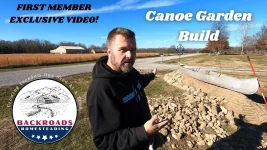
I've been itching to share this project with you all and how we're using something old to create something beautiful and useful. You saw in the video how we took this old, beat-up canoe and transformed it into a unique welcome sign planter, but the concept of repurposing canoes has a lot more history and potential than what we touched on in the video.
This isn't a new idea, of course. Historically, canoes, especially birch bark canoes, were incredibly valuable and meticulously crafted. When their time on the water was over, they weren't just tossed aside. Indigenous peoples often reused parts of canoes for other purposes. For example, the bark could be used for roofing, crafting containers, or even art. The wood could be repurposed for small buildings or tools. There is a very real sense of honoring craftsmanship by keeping those materials out of a landfill. These cultures understood that resources should be respected and used until they could no longer serve. You see the same in many older farming communities, where nothing was wasted. Everything was given a second life, a third, or even more.
Beyond the historical context, the way we used a canoe on the property here at the homestead is a really great example of how you can bring some unique character to your space by thinking outside the box. Let's dig a little deeper into a few details of the project and what I wish we had done a little differently.
First off, choosing the right plants for a canoe planter is important. As mentioned in the video, the south-facing orientation and the metal shell mean this thing is going to heat up, and that means water will evaporate faster. Think about drought-tolerant plants, or at least plants that can handle periods of dryness. We're going to be looking at some good options in a future video for the spring planting, but some options we are going to consider include:
Also, those of you planning out a project like this might want to take a few extra steps that we had to backtrack to do, like our water line. Think through your watering system before putting it all together. We had to partially dismantle our base to run the water line underneath, and it would have saved us a little time and effort to do that before laying any of the rocks.
We also talked about the drainage holes in the video, but drilling those into the bottom is key. You don't want a stagnant water situation. When it comes to securing the canoe, we are using rebar, but using metal straps and bolts is another secure option. Make sure your bolts are rust-resistant so they don't break down. Think about where you'll place them, too; you don't want them to be too visible if that's the aesthetic you're going for.
Finally, I'd add to the idea of doing something creative with our sign each year. We're taking our members' suggestions, so don't forget to leave a comment! But think about other ways to personalize your sign. You could paint it with a unique design, use stencils, or add small decorative elements like vintage tools or pieces of metal. I've even seen people use old license plates or other found items to add their own unique touches to projects like these.
There are so many ways you can make something unique that reflects your personality and beliefs. The next time you see an old canoe for sale, don't just pass it by! You might have the perfect spot to turn it into something wonderful.
This isn't a new idea, of course. Historically, canoes, especially birch bark canoes, were incredibly valuable and meticulously crafted. When their time on the water was over, they weren't just tossed aside. Indigenous peoples often reused parts of canoes for other purposes. For example, the bark could be used for roofing, crafting containers, or even art. The wood could be repurposed for small buildings or tools. There is a very real sense of honoring craftsmanship by keeping those materials out of a landfill. These cultures understood that resources should be respected and used until they could no longer serve. You see the same in many older farming communities, where nothing was wasted. Everything was given a second life, a third, or even more.
Beyond the historical context, the way we used a canoe on the property here at the homestead is a really great example of how you can bring some unique character to your space by thinking outside the box. Let's dig a little deeper into a few details of the project and what I wish we had done a little differently.
First off, choosing the right plants for a canoe planter is important. As mentioned in the video, the south-facing orientation and the metal shell mean this thing is going to heat up, and that means water will evaporate faster. Think about drought-tolerant plants, or at least plants that can handle periods of dryness. We're going to be looking at some good options in a future video for the spring planting, but some options we are going to consider include:
- Succulents: These are champions of water conservation. Think of sedums, sempervivums (hens and chicks), or even small agaves.
- Herbs: Many herbs like rosemary, thyme, and lavender thrive in dry conditions and also provide a lovely fragrance.
- Native wildflowers: Choosing native plants is always a good move as they're adapted to local conditions and often require less maintenance. Consider species that do well in rocky areas since the canoe's bottom will somewhat mimic that type of environment.
- Ornamental grasses: They provide great visual appeal and are usually quite low-maintenance.
Also, those of you planning out a project like this might want to take a few extra steps that we had to backtrack to do, like our water line. Think through your watering system before putting it all together. We had to partially dismantle our base to run the water line underneath, and it would have saved us a little time and effort to do that before laying any of the rocks.
We also talked about the drainage holes in the video, but drilling those into the bottom is key. You don't want a stagnant water situation. When it comes to securing the canoe, we are using rebar, but using metal straps and bolts is another secure option. Make sure your bolts are rust-resistant so they don't break down. Think about where you'll place them, too; you don't want them to be too visible if that's the aesthetic you're going for.
Finally, I'd add to the idea of doing something creative with our sign each year. We're taking our members' suggestions, so don't forget to leave a comment! But think about other ways to personalize your sign. You could paint it with a unique design, use stencils, or add small decorative elements like vintage tools or pieces of metal. I've even seen people use old license plates or other found items to add their own unique touches to projects like these.
There are so many ways you can make something unique that reflects your personality and beliefs. The next time you see an old canoe for sale, don't just pass it by! You might have the perfect spot to turn it into something wonderful.